
As the climate and weather patterns continue to change, farmers increasingly face more hardships. But according to Michigan State University, there are a few things you can try to avoid to help make the best of a crappy situation! Try and avoid these risks to reduce runoff during your manure application.
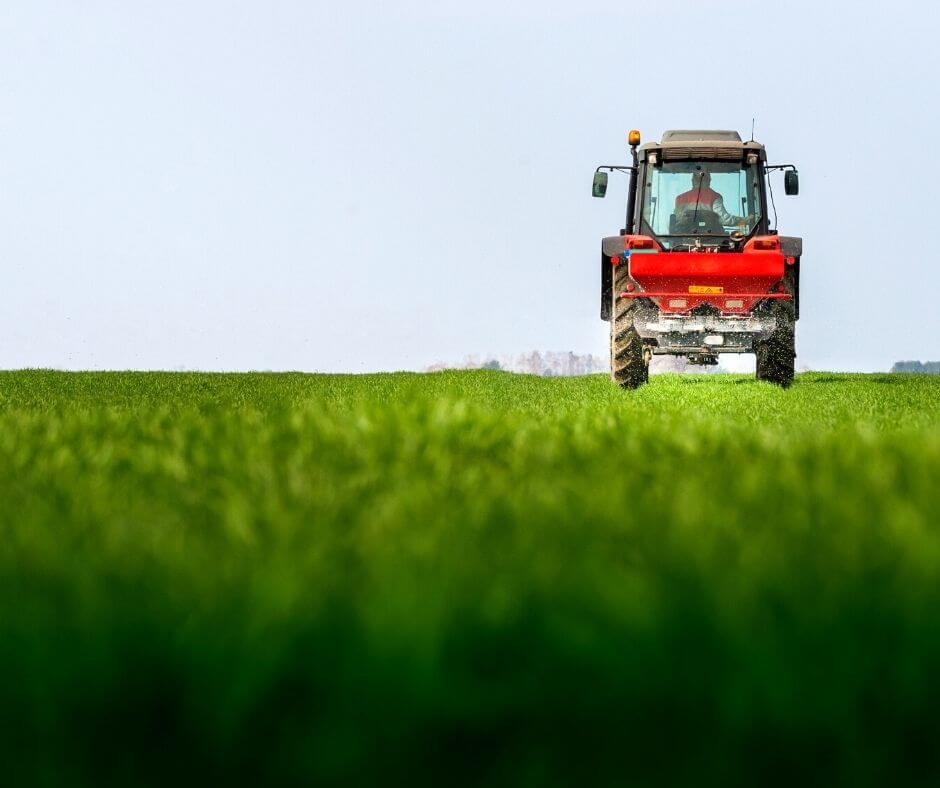
High moisture in the soil significantly increases runoff. We all know that around the Midwest, our weather patterns change in an instant. In fact, just about the only thing you can count on the local weather predictions around here, is that they’ll probably change. If you can, avoid spreading fertilizer when there is high moisture in the soil. Applying liquid manure increases soil moisture, so it’s crucial to make sure your fields are dry enough to accept the additional moisture.
Going along with high moisture content in the soil, snow-covered fields, and even frozen fields pose high risks for runoff. As snow melts and the ground thaws, runoff is likely to happen due to increased moisture in the soil, especially if you’re spreading manure from February through March.
Fields with high slopes and poor drainage are at increased risk for runoff. Avoid adding liquid fertilizer to these areas to reduce your runoff. Sloped areas of fields are at risk for runoff due to the high probability of soil content moving during rainfall. When areas of your fields have poor drainage, they’ll also lack proper aeration to support plant growth.
Looking for more ways to increase the efficiency of your operation? Contact us or request a Performance Report! We’d be happy to provide you with an in-depth evaluation of your current drag hose operation to help make your job more efficient, and hopefully, a little easier while we’re at it.
 507-327-4081